ORIGINAL PORTFOLIO · MANUFACTURING
Keiser Wire Raceway
I worked at Keiser during the summer after my freshman year, taking on a variety of tasks that supported the company’s in-house manufacturing methods. My work ranged from assisting with ongoing projects to tackling what essentially became my summer capstone design project.
Examples of Smaller Projects and Manufacturing Efforts
Unfortunately, I didn’t think to document my work at the time, so the pictures included here were taken for work-related purposes rather than personal records. Despite this, they highlight key aspects of my contributions and the hands-on problem-solving I engaged in throughout the summer.
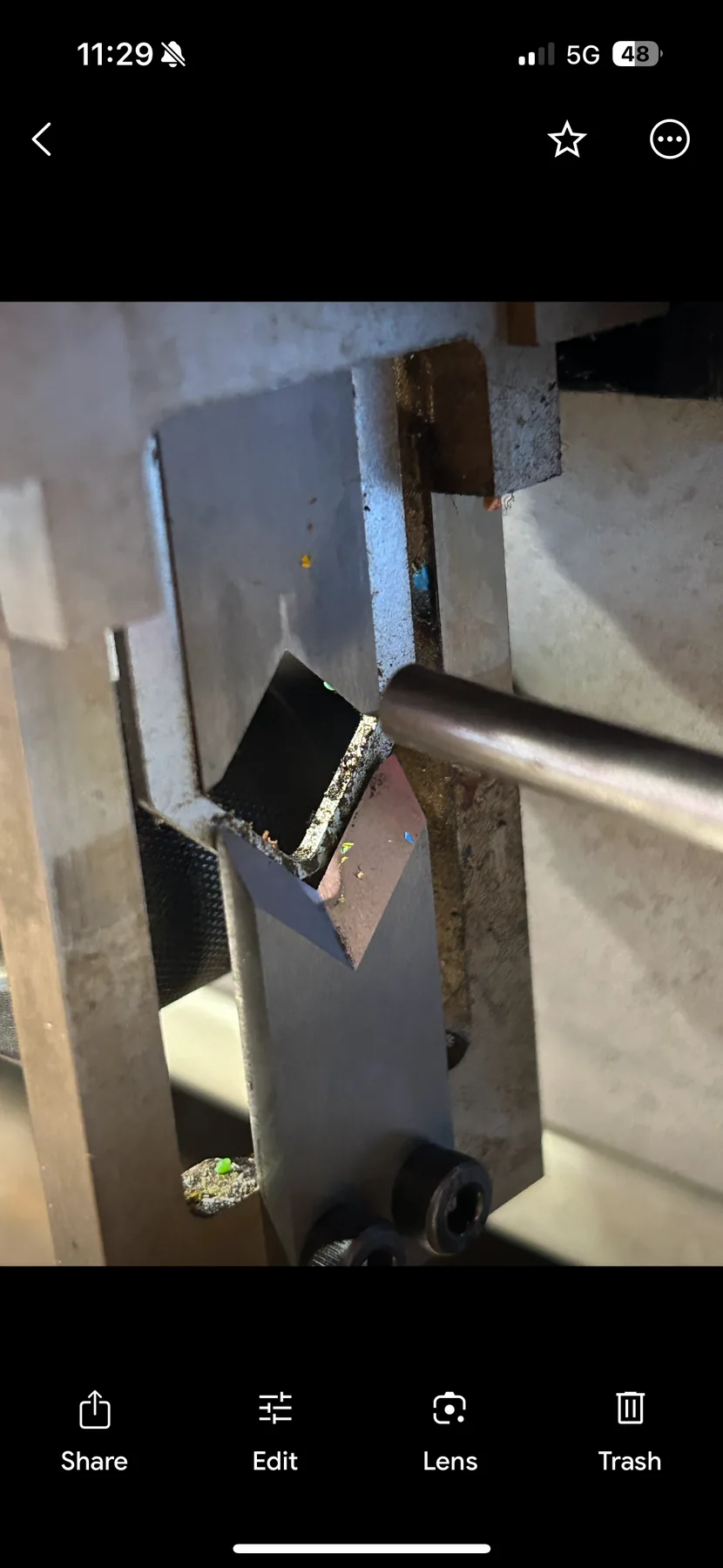
This is a close-up picture of a wire-cutting machine I worked on during my time at Keiser. I took this photo while modifying the machine to make it modular, as it was originally limited to cutting only one diameter of wire.
I noticed the machine lying unused and proposed repurposing it to my supervisor as a cost-effective solution, aligning with my task to design a similar machine. By leveraging the existing equipment, I saved resources and demonstrated initiative in finding practical solutions to manufacturing challenges.
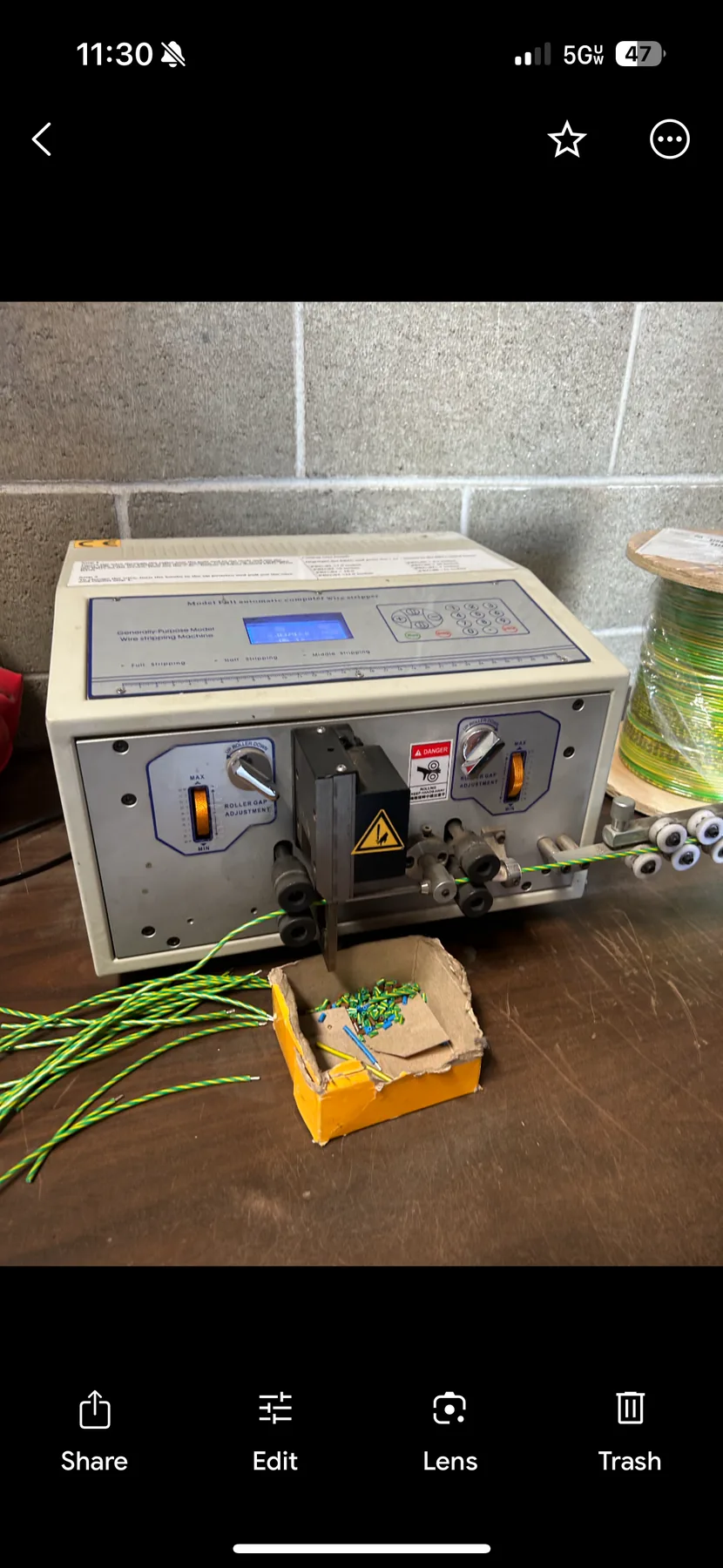
This is another view of the same wire-cutting machine, this time after it had broken from use. I took this photo to document its initial configuration before I began working on the repairs and modifications.
While this is just one example of my work at Keiser, there are many other projects I contributed to, such as designing jigs, updating drawings, and creating parts to streamline the assembly process, like sticker placers. Unfortunately, I didn’t think to take pictures of these tasks at the time, but they reflect my focus on improving efficiency and precision within the manufacturing process.
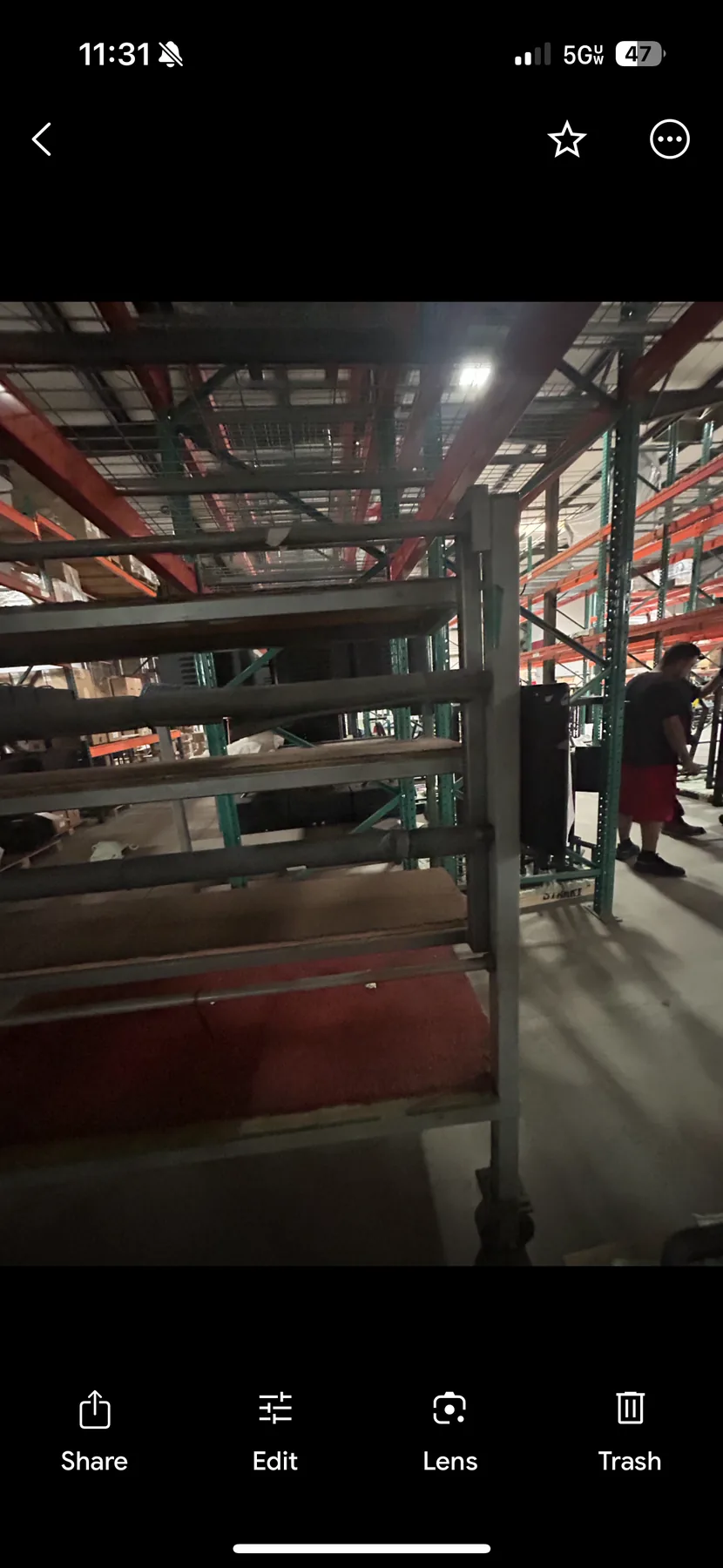
In this picture, you’re looking at an older model rack used at Keiser. The company relied on numerous racks to hold paint, tools, and materials for various manufacturing processes. My task was to design and adapt these racks to meet the specific needs of our operations.
This particular rack was for powder coating, and it was my first rack redesign. I had to overhaul the entire structure, with a focus on adding laser-cut notches to simplify assembly and improve overall efficiency. This project helped me gain hands-on experience in design and manufacturing while also reinforcing the importance of creating functional, adaptable solutions.
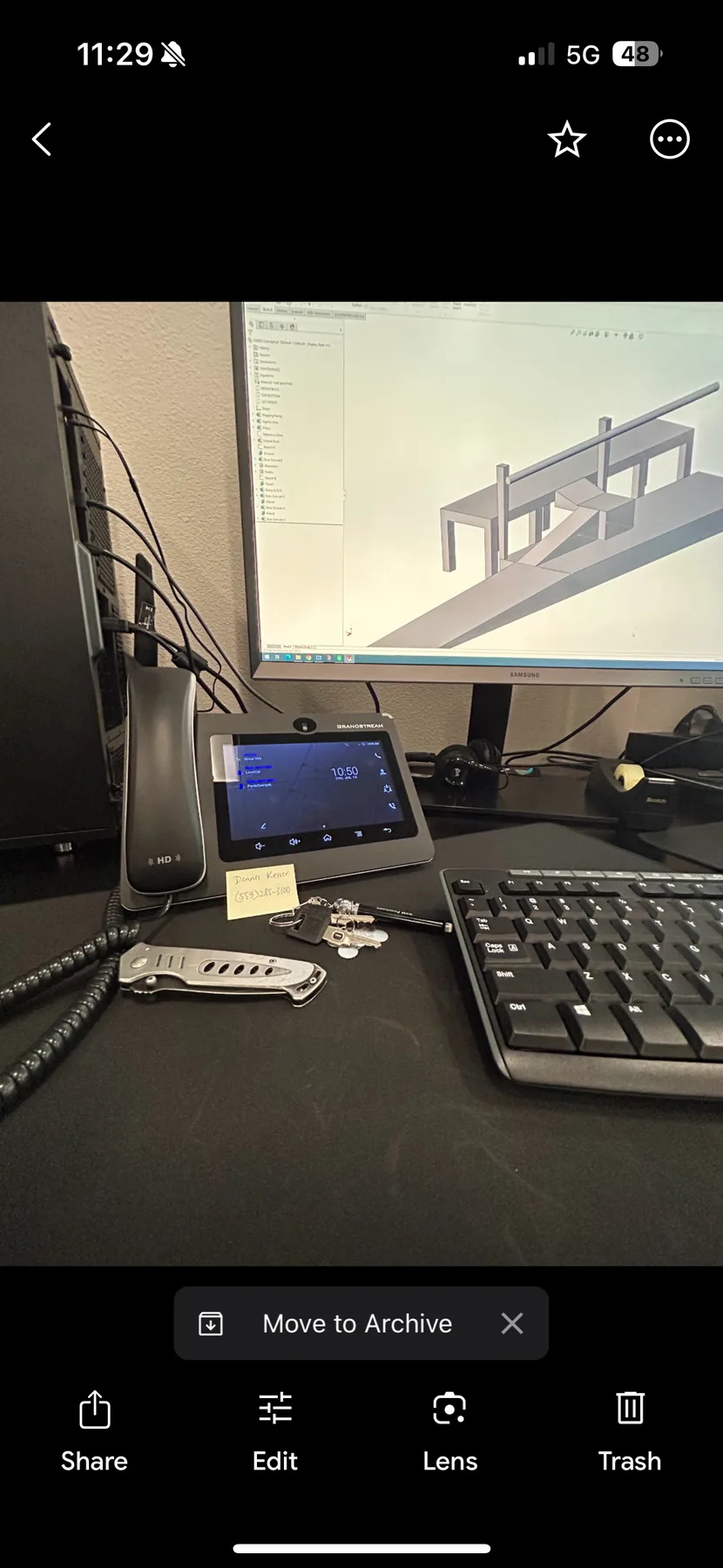
This final picture was originally taken as a reminder that I left my keys and knife at work, but it also documents a ramp I was designing. In our warehouse, we had wasted space on top of various structures, and I was tasked with designing a ramp to optimize that unused area while working around ongoing operations.
While designing the ramp, I was mindful of both safety and the slope grade to ensure it was functional and secure. This project challenged me to balance space optimization with practical considerations, reinforcing my ability to adapt designs to real-world constraints.
Major Design Project
This project was personally assigned to me by the CEO of the company, who recognized significant potential in my work. He guided me in sourcing prototypes and we had regular meetings to discuss design, manufacturability, and project progress.
Later, I discovered that he had intentionally given me this project as a type of capstone, providing me an opportunity to demonstrate my capabilities in a real-world setting. As a result of my contributions, I was also offered the chance to fly out to Texas and oversee the first installation of my design at a major college campus gym, further validating the impact of my work.
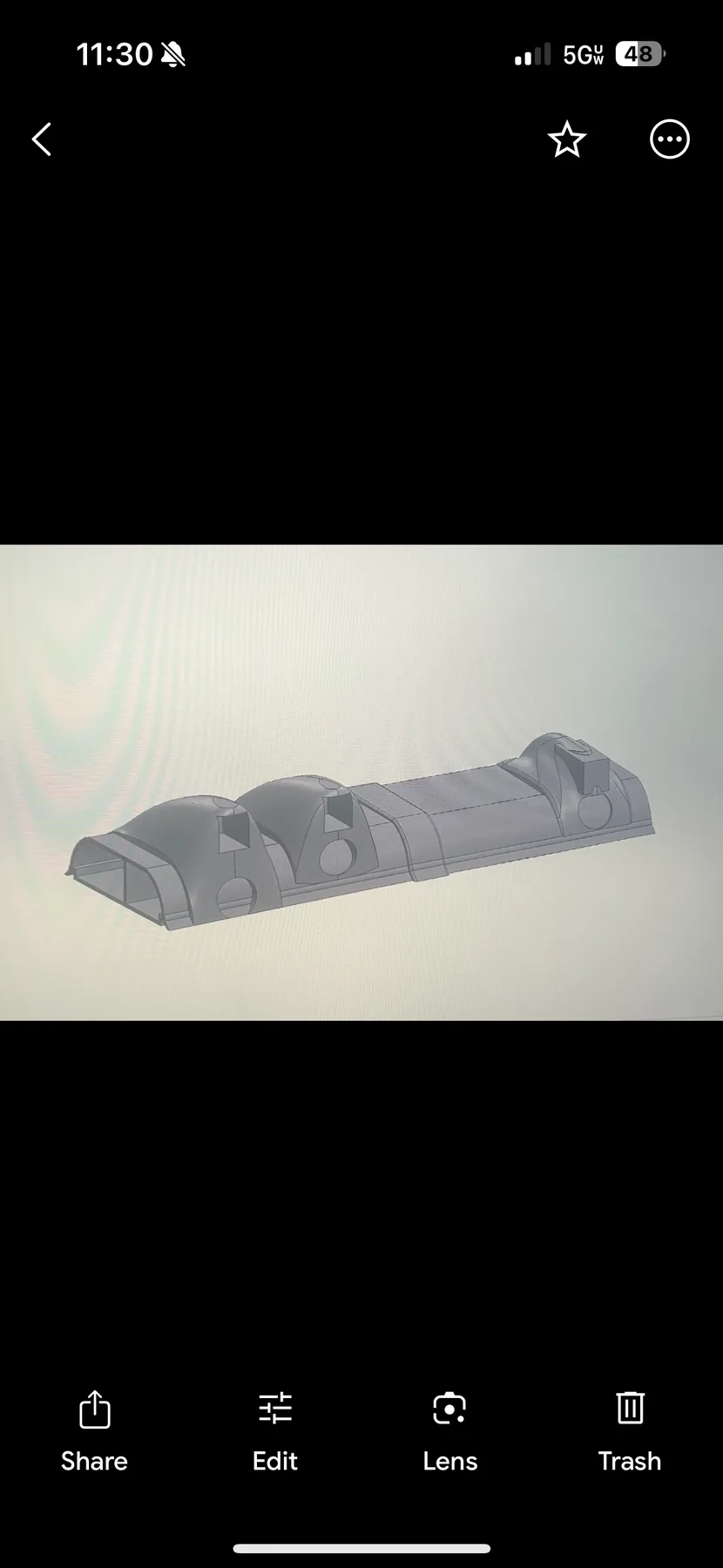
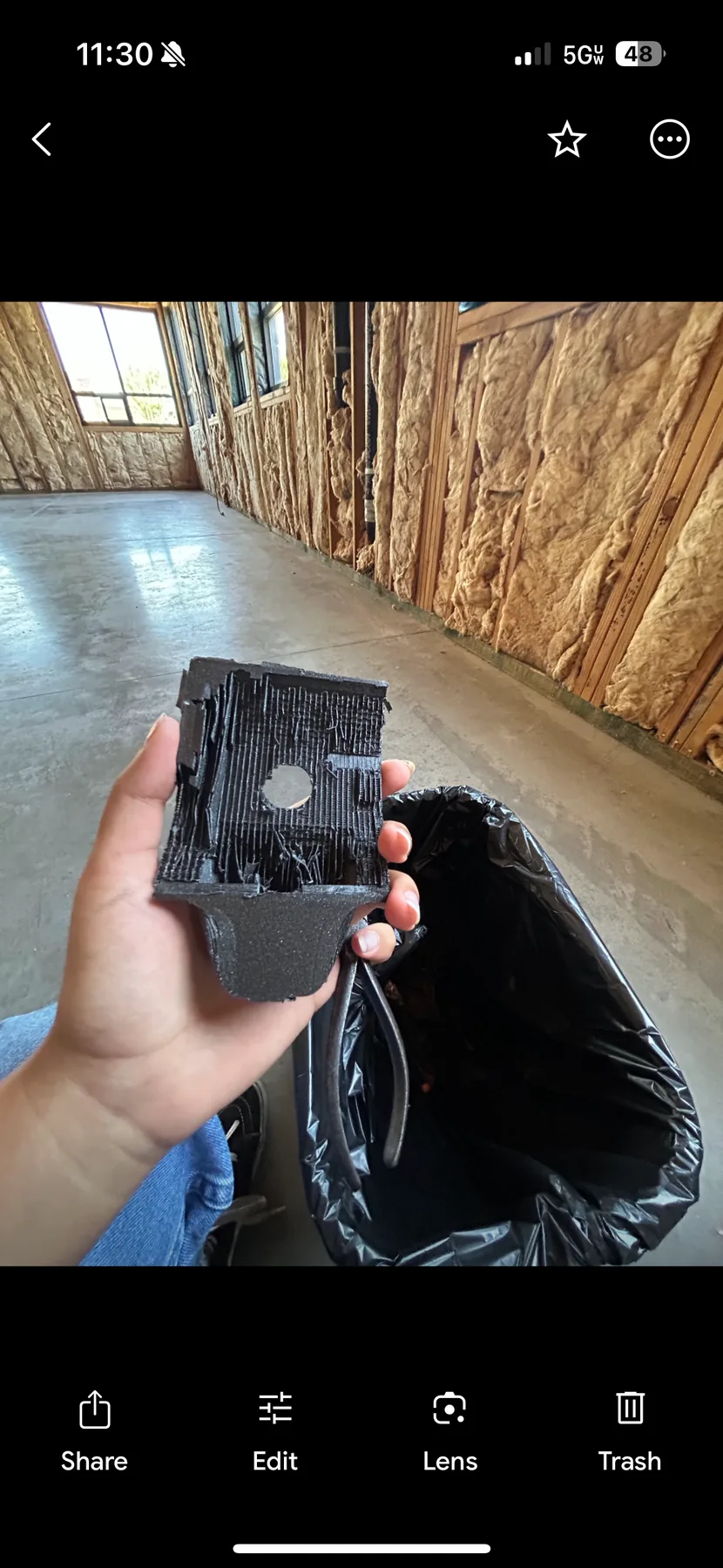
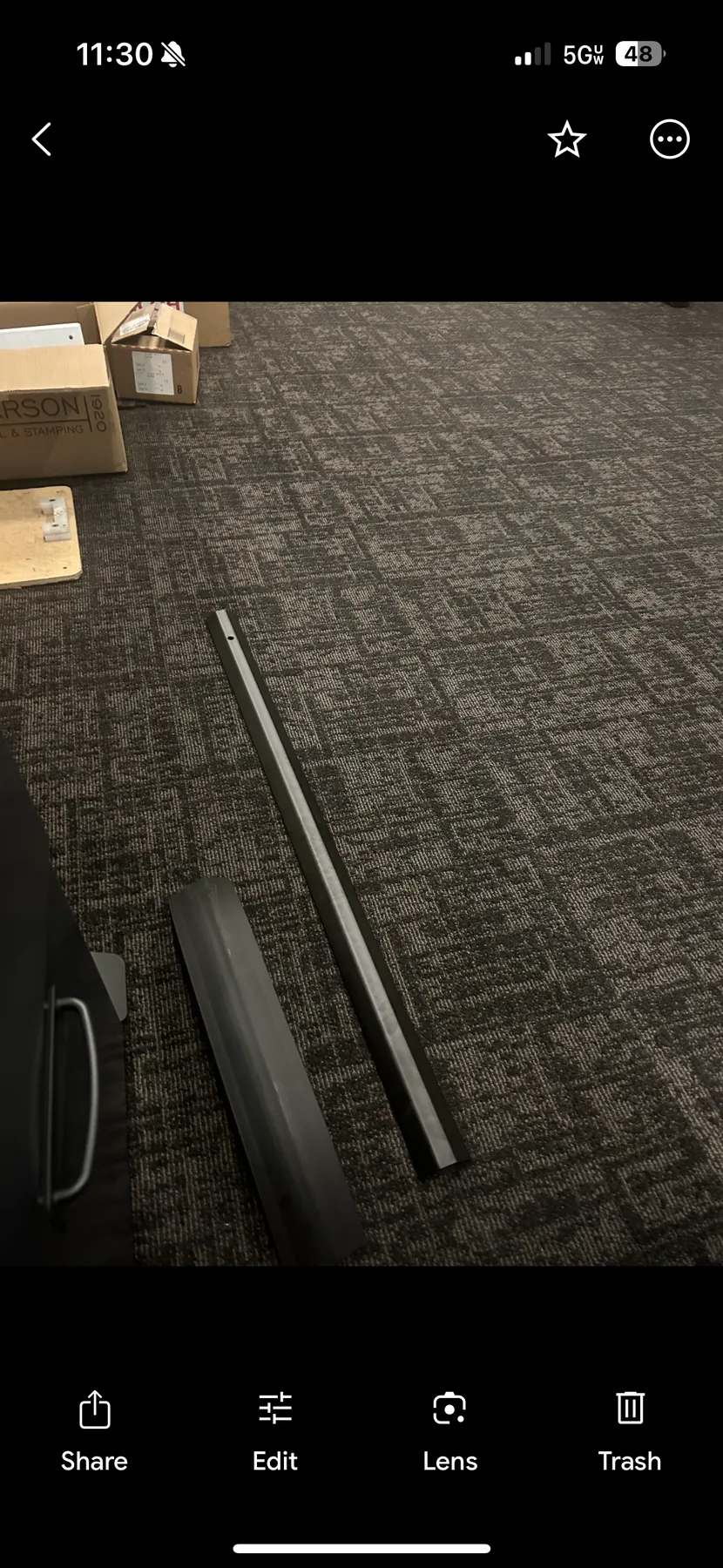
These pictures showcase the steps I took to complete the raceway design. I initially researched existing products and examples, but Keiser’s unique challenge of combining pneumatics and wires into one sleek, functional design meant that nothing on the market was a suitable solution.
By consulting with the company's electrical team and safety coordinator, I was able to design a cost-effective, efficient, safe, and modular raceway that could house all the necessary ports for the machines. This project involved a great deal of careful consideration and the application of design principles to ensure the final product met all requirements. I also reached out to multiple manufacturers to evaluate the best options and to ensure the product would integrate smoothly with existing resources.
ORIGINAL IMAGE ARCHIVE
Recovered project photography